Friday Noon Is When People Plan Weekend Dinner. It Is Also When I Am at the Market.

Oliver HayesSan Francisco, United States
Fine dining cook and home-kitchen technique creator
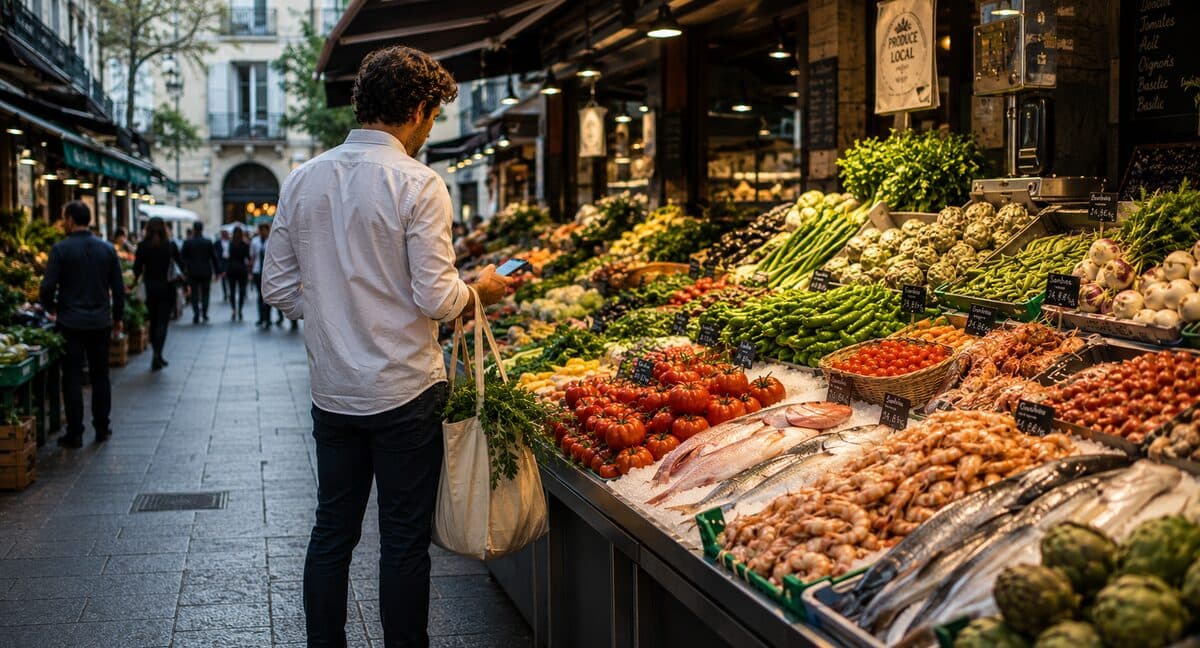
Friday around noon is when people start making optimistic plans for the weekend.
They save a dinner Reel between meetings. They text a partner to ask whether friends are still coming over. They open a grocery list and decide that this might finally be the Saturday they cook something more interesting than pasta with whatever is left in the fridge.
That is when my weekend-menu content is most useful.
It is also when I am usually walking through a market with both hands full.
I spend part of Friday checking what is actually worth cooking before I tell anyone else what to buy. I want to see whether the tomatoes taste like tomatoes yet. I want to know if the sea bass looks better than the turbot, whether the peas are still sweet, and whether the ingredient I wrote into a menu on Tuesday has become expensive enough by Friday that I need to offer a substitution.
A seasonal menu should follow the market, not force the market to follow the menu.
That creates a different kind of timing problem.
The people following me want the idea before they shop. I need the market information before I finalize the advice. And the hour when those two things meet is usually the hour when I am moving between stalls, taking notes, carrying bags, and trying not to block the person behind me who also wants the last good bunch of herbs.
For a while, I handled this badly.
I would prepare most of a Reel earlier in the week, then leave the final caption unfinished because I wanted to confirm the ingredients. On Friday morning I would make the last changes, tell myself I would publish at noon, and then look at the time again when I was already on the train home.
By then, the post was still useful. It was just late in the decision.
Someone who sees a weekend menu at five in the afternoon may save it for another week. Someone who sees it before lunch can still add the ingredients to the list, change where they are shopping, or decide that the menu is too ambitious and choose the simpler version instead.
That difference matters to me because my account is not built around fantasy restaurant food. It is built around helping home cooks make one better decision before the kitchen gets complicated.
A six-hour restaurant sauce becomes a version that can be made with shrimp shells and a smaller pan. A composed seafood plate becomes a two-person dinner with one sauce, one vegetable, and a clear prep order. A seasonal menu includes the ingredient I would buy that week and the substitution I would use if the market had other plans.
The Reel creates the appetite. The timing helps turn that appetite into an actual dinner.
I started using StarLovin for scheduled publishing so the post would not depend on me remembering to stop in the middle of market day.
I can prepare the video, write most of the caption, choose the publish time, and build the follow-up in advance. After I check the market, I make the final ingredient adjustment, confirm the scheduled post, and put my phone away.
Then the Reel can go live at the moment people are planning the weekend, even if I am comparing fish, asking about price changes, or walking three blocks because the first shop did not have the herbs I wanted.
The automatic DM comes after that.
A Reel about a spring seafood dinner can invite people to ask for the full menu. The DM can send the shopping list, prep order, and substitutions that would make the caption too crowded. A smaller recipe can go straight out. A longer seasonal guide can collect an email first so I can send the guide and keep future menu updates separate from casual link requests.
But the first improvement is not the DM. It is that the public post arrives before the shopping decision is over.
That has changed how I make the content.
I no longer treat publishing as the last task I have to remember after the recipe, filming, editing, caption, and market check. The publish time becomes part of the plan from the beginning.
On Tuesday, I can test the technique.
On Wednesday, I can film the version that works in a home kitchen.
On Thursday, I can write the menu and prepare the DM materials.
On Friday morning, I can check what the market is actually saying and make the final adjustment.
At noon, StarLovin can publish the Reel while I am still out gathering the information that made the recommendation honest.
That separation is useful. It lets me stay present in the market instead of turning every ingredient check into a social media deadline. It also means the audience does not have to wait until I am back at my desk to receive an idea that was meant to shape what they buy.
Seasonal cooking is full of small windows. Strawberries are good, then suddenly soft. Peas are sweet, then they are not. A fish is reasonably priced one week and a special-occasion decision the next. Weekend plans work the same way. There is a short period when someone is still deciding what dinner could be.
I want the content to reach them inside that window.
The Reel goes live before they shop. The caption reflects what is actually available. The keyword is ready if they want the full menu. The DM carries the notes that help them change course when their market looks different from mine.
I can keep walking, tasting, checking, and revising without asking the audience to wait for me to get home.
That is the kind of automation I trust. Not content that ignores the real world. Content that arrives while there is still time to use it.
I Set Up Three DM Flows After Work and Still Made Dinner
Next articleThe Beginner Plan Is Not the Product. The First Good Rep Is.
Keep Reading

The Hard Part Was Never Making the Earrings. It Was Catching People Before the Drop Closed.
Keep reading
The Dark Corner Did Not Need More Decor. It Needed a Second Light Source.
Keep reading